
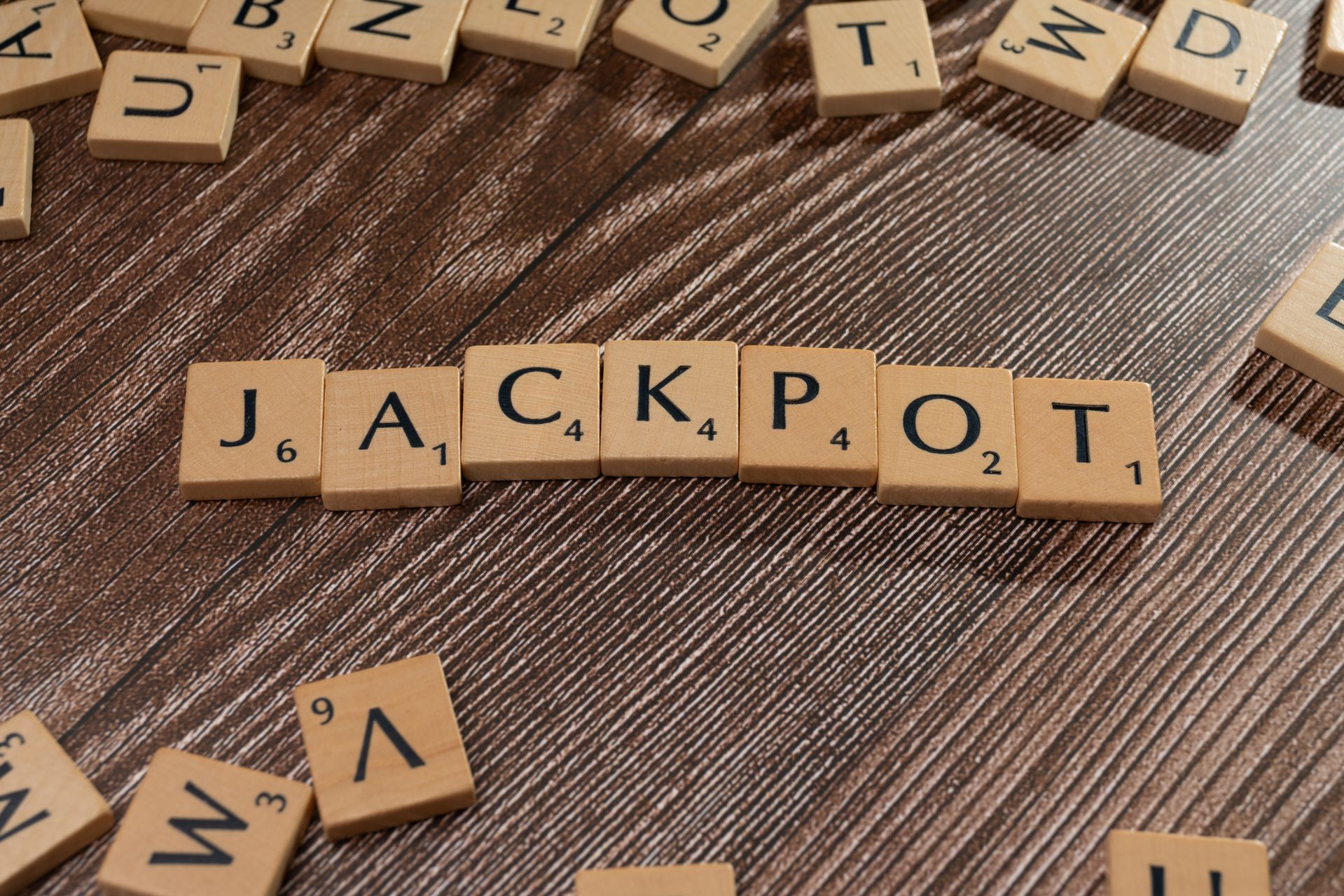
Jackpot games may share the excitement of offering a substantial prize, but the way their rewards are structured can differ considerably. Fixed jackpot games advertise a predetermined payout that remains unchanged no matter how many people play, while progressive prize pools grow as qualifying wagers add to a shared total. This distinction affects how prizes develop, how frequently they may be awarded, and what players can expect from each format. Platforms such as Diwa Spin operate within a digital gaming landscape where both reward structures can attract interest for different reasons. Understanding how these systems work makes it easier to distinguish a set prize from one that changes over time.
How Fixed Jackpot Games Work
A fixed jackpot game advertises a specific prize amount that does not change based on participation. The operator calculates the prize in advance and builds it into the game’s overall financial design, ensuring the game provider sets the jackpot and expected revenue over time. Based on this, the payout is exactly the amount promised, whether ten people or ten thousand people played that day. This predictability benefits both sides. Players know precisely what they are playing for, and operators can manage their finances with confidence because the top prize liability is known. The tradeoff is that the jackpot cannot grow beyond its stated amount, so the excitement of a rising prize does not exist in this format. Fixed jackpots are common in games where the prize structure is published in official rules, and the advertised figure usually represents the total payout before any deductions required by local regulations.
How Progressive Prize Pools Develop
Progressive prize pools operate on a different principle. A small portion of every wager is diverted into a separate pool reserved for the top prize, and this pool increases with each bet placed. The jackpot is not guaranteed to any particular amount. Instead, it grows until someone wins it, after which it resets to a base level and begins climbing again. This mechanism explains why progressive jackpots can reach figures far beyond what any single operator might commit to in advance. The growth depends on player activity, so a popular game with frequent betting produces faster increases. Some progressive systems link multiple games or venues together, allowing the pool to accumulate across a wider player base. The appeal lies in the possibility of an unusually large win, though the odds of claiming the top prize are typically correspondingly long.

Where the Money Comes From
The funding models reveal the core structural difference. In a fixed jackpot game, the prize is financed from the operator’s overall revenue and risk planning, so the amount is essentially a business decision made before play begins. In a progressive system, players finance the prize through a dedicated contribution taken from each wager. This means progressive players effectively fund the jackpot they hope to win, while fixed jackpot players compete for a prize the operator has already accounted for. Neither approach is unfair, but the mechanics affect how prize values behave and what players should expect. Understanding this distinction helps players interpret advertised jackpots accurately rather than assuming all large figures are created the same way.
Fixed jackpot games and progressive prize pools differ mainly in how their top prizes are set, funded, and grown. Fixed jackpots offer certainty and stable odds, while progressive pools offer the chance of a much larger win funded directly by player contributions. Both models are legitimate and widely used, and the right choice depends on what a player values most. Recognizing these structural differences allows players to read jackpot advertising with a clearer understanding of what is actually being offered.